Life Coaching Certification
16 hours of intensive, hands-on life coaching training
Updated curriculum covering the latest coaching techniques and tools
Gain real-world insights from expert instructors with vast experience
Unlock diverse career opportunities with a globally recognized certification
Flexible learning options to suit your schedule

 4.6/54.6/5
Overview
What you will learn:
- Learn core life coaching processes to drive personal transformation
- Master key coaching skills and techniques for effective client engagement
- Understand individual perceptions and apply psychology for better coaching
- Utilize goal-setting tools to meet coaching objectives and track progress
- Gain practical experience with lifestyle organization strategies and planning
Upcoming sessions
Curriculum
Introduction to life coaching
Individual perception
Lifestyle organization
The coaching processes
Coaching skills
Coaching delivery
Coaching and psychology
Meeting coaching objectives
Objectives and planning
Review and adjustment
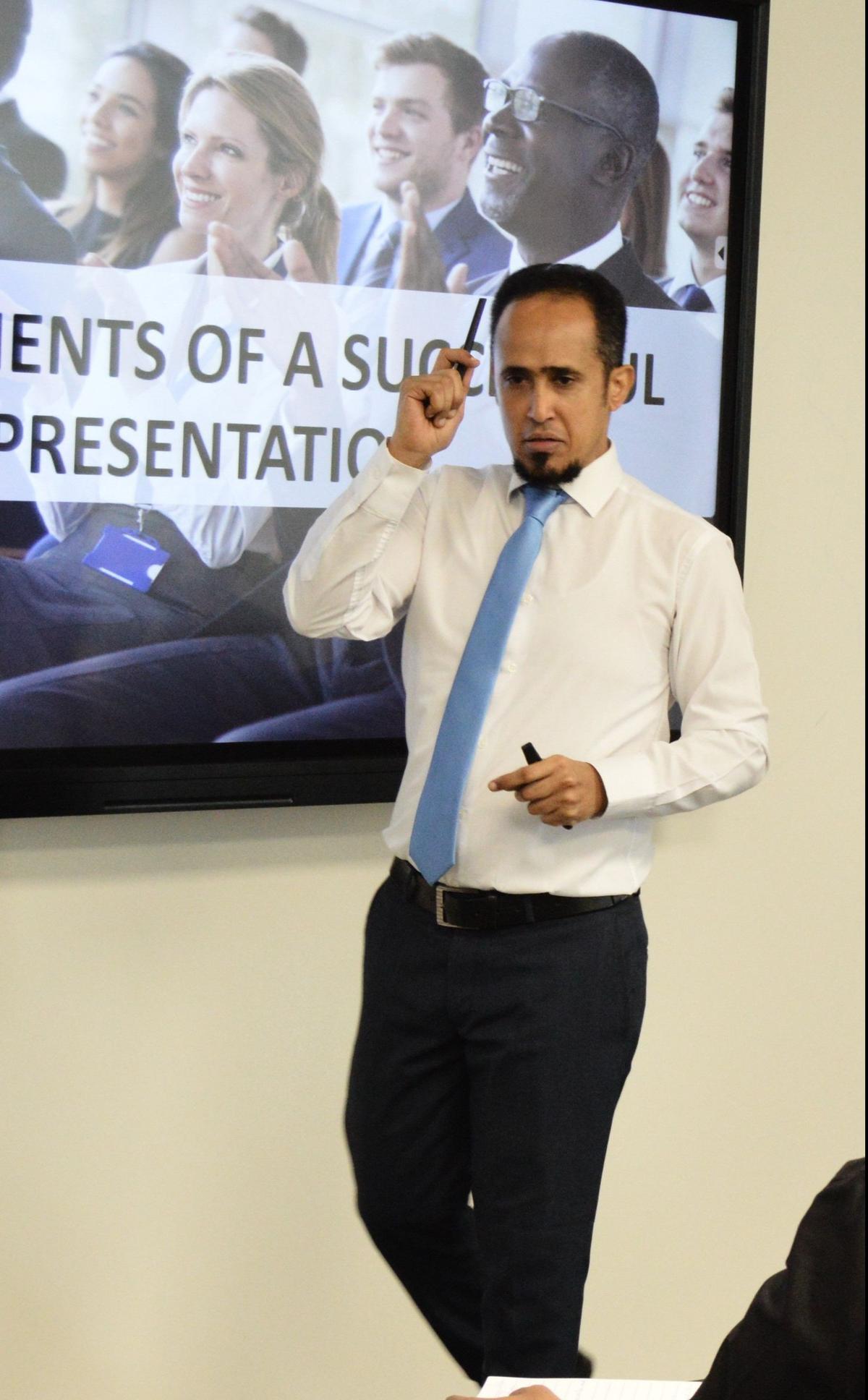
Meet your Trainer
Tatek Abayneh Mebratu
Mr. Tatek is a Certified Trainer and Executive Coach with over 20 years of experience in the MENA region. He specializes in Leadership Development, Behavioral Training, and Talent Management, with deep expertise in Human Capital development.
With a career spanning over 15 years in training and consulting, Mr. Tatek has worked with senior executives and corporate teams to enhance business performance and employee engagement.
He holds a Bachelor of Arts in Public Administration and Development Management and has delivered training programs across all management levels. His work with KHDA and CPD further highlights his credibility in the field. Tatek has also held roles in the banking, consultancy, and learning and development sectors, including positions at Western Union and Quantum Consultancy. Currently, he serves as a Senior Corporate Training Manager at Learners Point Academy, Dubai.
Core Competencies:
- Strategising on training framework spanning need analysis, mapping training requirements, and delivery to develop an efficient workforce and motivated employees for maximum productivity in fast-growing organisations
- Measuring training effectiveness
- Create training policies, procedures, and metrics and ensure their alignment with organisational goals
- Innovative training and coaching techniques and delivery style
- Conducting TNA using the Stop/Start & Continue methods
Professional Qualifications:
- Certified Trainer (CPD) with expertise in Leadership Development, Behavioral Training, and Talent Management
- Certified in Coaching Skills for Leaders and Managers, Marketing and Communication, and Corporate and Strategic Communication Skills for Managers
- Certified in Investigative Journalism
- Master of Business Administration (MBA) in Marketing and Sales from Amity University
- Bachelor of Arts in Public Administration and Development Management from Alpha University College
- Over 20 years of experience in the MENA region, specializing in Human Capital development and corporate training
- Extensive experience in training programs across all management levels, including work with KHDA and CPD
- Proven track record in leadership roles within banking, consultancy, and learning and development sectors, including positions at Western Union and Quantum Consultancy
- Currently serving as Senior Corporate Training Manager at Learners Point Academy, Dubai
Learning Outcomes
Successful completion of the Life Coaching course will help professionals in the following ways:
1
Master core coaching processes and techniques for effective client transformation
2
Understand individual perceptions and apply psychological strategies in coaching sessions
3
Learn lifestyle organization tools to help clients achieve work-life balance
4
Develop personalized coaching delivery methods to enhance client engagement and success
5
Utilize goal-setting strategies and tracking tools for measurable coaching outcomes.

KHDA Certificate
Earn a KHDA attested Course Certificate. The Knowledge and Human Development Authority (KHDA) is the educational quality assurance and regulatory authority of the Government of Dubai, United Arab Emirates.

Learners Point Certificate
Earn a Course Completion Certificate, an official Learners Point credential that confirms that you have successfully completed a course with us.

Overall ratings by our students
Related courses
Learn now, pay later
Dive into your course now and pay in installments

Frequently asked questions
A Life Coaching Certification helps individuals develop the necessary skills to support others in reaching their personal and professional goals. This certification, often provided by recognized institutions, teaches essential coaching methods, effective communication, and ethical standards. Becoming a certified life coach can boost your credibility, attract more clients, and open the door to a rewarding career in coaching.
The course typically covers key areas like leadership, decision-making, communication, influence, and emotional intelligence, giving you the expertise needed to guide and inspire others towards success.
There are no specific prerequisites required to enrol in the training program. Any fresher or expert-level professional can enrol in the training program.
The topics covered in Life Coaching are as follows:
- Introduction to life coaching
- Individual perception
- Lifestyle organization
- The coaching processes
- Coaching skills
- Coaching delivery
- Coaching and psychology
- Meeting coaching objectives
- Objectives and planning
- Review and adjustment
Life coaches work with you to define your goals, identify the challenges standing in your way, and develop strategies to tackle each one. They focus on your unique talents and strengths, helping you make the most of what you’re good at. With this support, life coaches guide you towards lasting positive changes, empowering you to reach your full potential.
Therapists are trained to treat mental health conditions and hold a degree in a related field. They are licensed professionals who must adhere to strict ethical codes and health privacy laws. Their main focus is on diagnosing and treating mental health issues.
On the other hand, life coaches do not treat mental health conditions. They don't require formal qualifications or academic training. Life coaches are not bound by health privacy laws, and their role is to help clients with personal goals, motivation, and overall life improvement rather than mental health treatment.
This concept can be applied to all aspects of life, both personal and professional. When used as a tool for career development, it offers benefits to both employers and employees. Many professionals struggle to find the right work-life balance. While employers aim to get the best performance from their teams, it’s also important to ensure employees aren't overburdened.
Life coaching helps employees identify their next career move while encouraging them to take time for themselves. This approach leads to happier, more balanced employees who are more productive when at work, creating a positive outcome for everyone involved.
In today’s world, where stress levels are increasing and there’s a greater focus on mental health and personal growth, life coaching has become a highly valued service. According to the 2023 ICF Global Coaching Study, there are around 109,200 active coaches globally, generating an impressive $4.564 billion in annual revenue from coaching.
As more people seek guidance in their personal and professional lives, the demand for life coaches continues to grow, reflecting the increasing importance of support in navigating life’s challenges.
Do you want to learn more about Learners Point Academy?
- Learn more about courses
- Understand about our methodology
- Let’s talk about Corporate trainings
- Anything else that you want to know, we are here for you!